
Chronic Pain – Mind Body Pain – TMS

Chronic Pain Doesn’t Have to Be Permanent

A science-backed mind-body approach that helps many people reduce—or resolve—chronic pain

If you’ve been living with chronic pain for months or years, you may have been told some version of:

  • “You’ll just have to manage it.”
  • “Nothing more can be done.”
  • “Try another medication, injection, or procedure.”

And yet… the pain is still there. If this sounds familiar, you’re not alone—and there is genuinely hopeful news now.
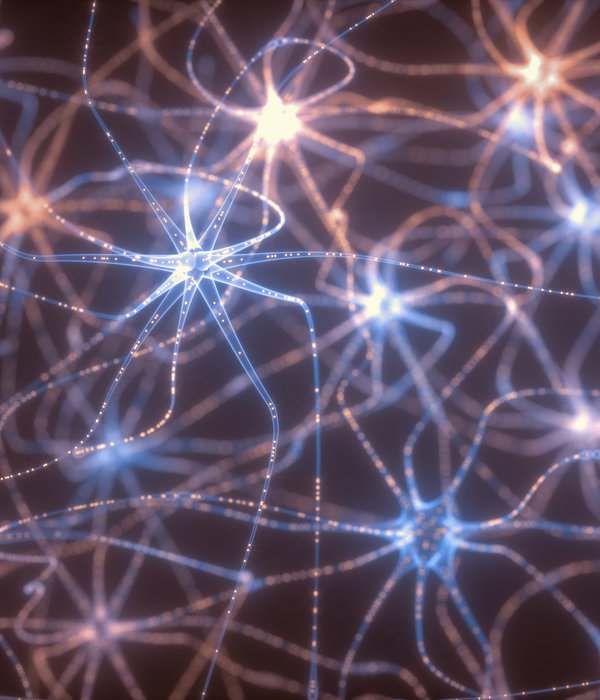
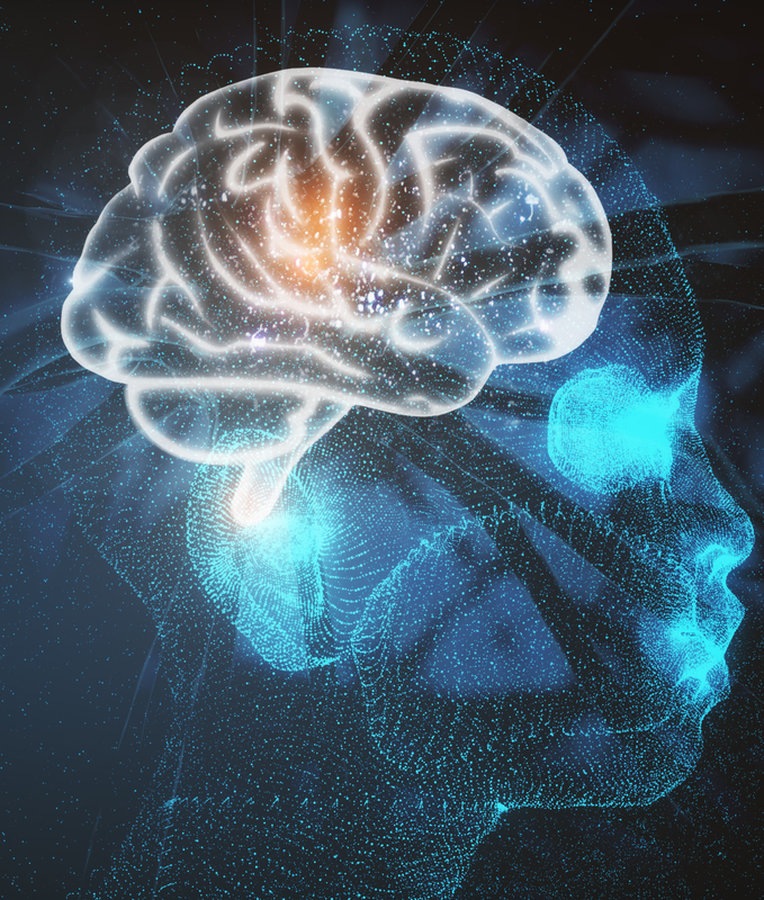
tms1

A Different Understanding of Chronic Pain

Chronic pain affects millions of people in the U.S. Initially, pain usually makes sense: an injury happens, the body heals, and the pain fades.

But when pain persists long after tissues have healed, standard medical treatments often fall short. Many people are left cycling through medications, procedures, or surgeries that provide little lasting relief.

Today, neuroscience is telling us something important: Much chronic pain is not caused by ongoing tissue damage—but by the brain’s learned pain pathways.

This type of pain is often called:

  • Mind-Body Syndrome (MBS)
  • Neuroplastic Pain
  • Tension Myositis Syndrome (TMS)
  • Psychophysiologic Pain Disorder (PPD)

These are different names for the same underlying process—and they respond well to the right approach.

Your Pain Is Real (And That Matters)

Let’s be very clear:

  • Your pain is real.
  • You are not imagining it.
  • This is not “all in your head.”

Modern brain imaging (including fMRI studies) shows that chronic pain activates real pain circuits in the brain. The pain is genuine—even when no structural damage remains.

What’s happening is this:

  • The brain learns pain as a danger signal
  • Fear, stress, and emotional overwhelm keep that signal turned on
  • Over time, the pain becomes self-perpetuating—even without injury

The good news? If the brain learned the pain, the brain can unlearn it. And I can show you how to do that!

mind body pain1
mind body pain

Why This Is Actually Hopeful News

Pain exists to protect us.

But in chronic pain, the brain stays stuck in protection mode—long after the danger has passed.

This means:

  • There is no ongoing damage
  • Your body is not broken
  • The nervous system can change

The brain is plastic—capable of forming new, healthier patterns at any age.
People can and do resume normal activities
Understanding this and that your emotions, beliefs and personality traits are involved leads to deep healing and transformation.
Even people who have had pain for many years can improve.

Make An Appointment

Call Kathy for a free 15 minutes consultation (415) 999-4414, text at (415) 999-4414, or email her directly.

The Science Behind the Mind-Body Approach

This work builds on work of Dr. John Sarno at NYU’s Rusk Institute of Rehabilitation Medicine at New York University Medical Center from 1965-2012. Dr Sarno emphasized the prominent role of emotions in chronic pain. He offered a completely different paradigm when he saw the current one fail over and over. He saw hundreds of patients who didn’t improve who eventually made great transformations through education, and emotional work and resuming activities. Neuroscientists since Dr Sarno have expanded on his ideas and the related research to support it has grown exponentially.

So, working with emotions, thoughts and behavior, maintaining the pain is key.

Now, two of the most effective evidence-based treatments include:

  • Pain Reprocessing Therapy (PRT)
  • Emotional Awareness and Expression Therapy (EAET)

I am trained in both models and integrate them thoughtfully into therapy.

I am also trained in numerous other therapy models such as CBT, IFS, DBT, psychodynamic, Gestalt, iRest meditation and mindfulness.

My decades of experience are brought to bear to help you find the easiest way out of pain.

My approach is tailored to what works best for you.

I am also connected to the leading network of medical professionals using this approach nationally and beyond.

Is there real evidence? Yes—a growing body of it.

chronic pain

One of the most well-known examples is the Colorado Back Pain Study, highlighted by The Washington Post in 2021. Participants using a mind-body approach experienced dramatically better outcomes than those receiving standard care. Those positive results persisted.

Read the Colorado Back Pain Study in JAMA from September 29, 2021 »

Here’s a list of the many conditions that can be mind-body generated:

  • Back pain (e.g. herniated or ruptured disc, spinal degeneration, etc.)
  • Neck pain
  • Shoulder pain
  • Hip pain
  • Knee pain
  • Plantar fasciitis
  • Carpal tunnel syndrome
  • Tennis elbow
  • Repetitive strain injury (RSI)
  • Fibromyalgia
  • Chronic Fatigue Syndrome (CFS)
  • Irritable Bowel Syndrome (IBS)
  • Migraines and chronic headaches
  • Pelvic Pain
  • Arthritis (excluding some types)
  • Stomach pain
  • TMJ

Make An Appointment

Call Kathy for a free 15 minutes consultation at (415) 999-4414, text at (415) 999-4414, or email her directly.

How Healing Happens

It is crucial to understand that the pain is always REAL and chronic pain, is a completely different type of pain.

It requires an entirely different treatment approach than current standard medical interventions.

The process typically involves:

  1. Ruling out serious structural causes (with expert medical providers)
  2. Education about how pain is generated by the brain and the significant role of ACE scores and emotions as well as beliefs, habits and personality traits.
  3. Reducing fear and threat responses
  4. Working with emotions, stress, and learned patterns
  5. Teaching the brain that the body is safe again

This is not about forcing pain away—it’s about changing how the brain interprets signals!

My Role in Your Healing

My role is to help you create the conditions your brain needs to turn OFF the pain signal.
This work:

  • Is collaborative and respectful
  • Moves at your pace
  • Requires effort, but not endless suffering
  • Is grounded in both science and compassion

If you’re thinking, “But my pain feels so real and physical”—you’re right. It’s very real and you feel it where you feel it. TMS can really hurt and persist for years. It can spread to different body parts and often does.

But now we know from neuroscience that all pain is actually generated in the brain. And the brain is neuroplastic, changeable. And that’s exactly why this approach works!

A Personal Note: My Own Healing Journey

I didn’t come to this work by accident.
I lived with chronic pain for years. I was told to limit my life, to manage symptoms, and to accept that this was permanent. I listened—and my world got smaller.
My pain spread. New symptoms appeared. Fear took over.
I went to all kinds of treatments, none of them helped. I spent a fortune. I know how you feel.
Only after discovering the mind-body approach did things begin to change. The more I understood what was happening in my nervous system, the safer my body felt—and the less pain I experienced.
That experience is why I do this work today.
I don’t want you to feel as lost and discouraged as I once did.
I don’t want you to keep suffering the losses chronic pain causes.
If you’re suffering, have gone from doctor to doctor, and nothing seems to work, at least not long-term, then a new approach to your recovery may be what is necessary.
I look forward to traveling with you on your road to healing.

Ready to Talk?

No matter where you are in your journey, I would be happy to speak with you to discuss your situation and concerns. I can answer any questions. We can explore whether this approach is a good fit.

I currently offer psychotherapy to clients in California in-person in San Rafael or online.
Canadian services for those living in Ontario, Canada coming soon

Call (415) 999-4414 for the fastest response
Email: kathy@couplescounselingworks.com

You deserve relief.
And more importantly—you deserve hope.

Schedule a Consultation, email kathy@couplescounselingworks.com or complete this contact form.

Get Started Today!

"*" indicates required fields

This field is for validation purposes and should be left unchanged.
Name*